D-Rings & Rectangular Rings
Strap fittings designed around the actual bag interface
D-rings, O-rings and rectangular rings connect the hardware to leather, webbing and handles. The right reference depends on inner width, section size, strap thickness, movement and the way force travels through the bag.
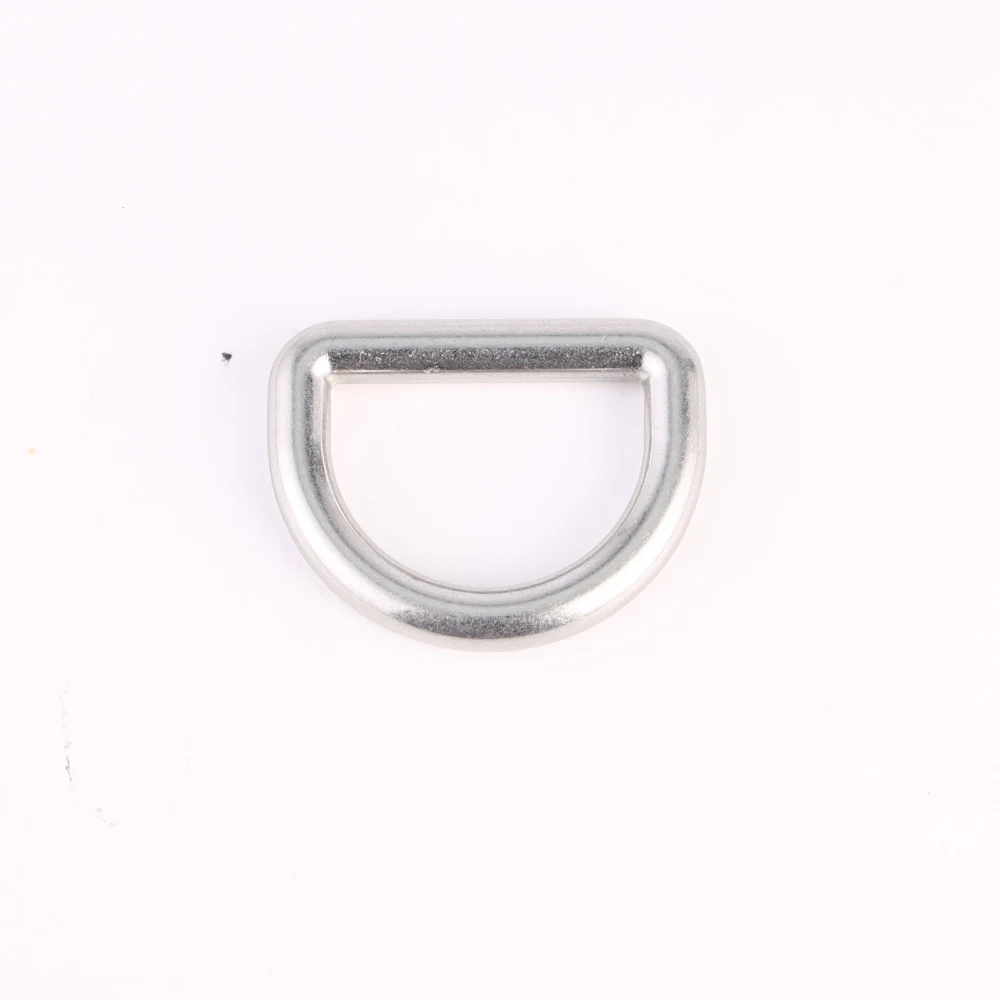
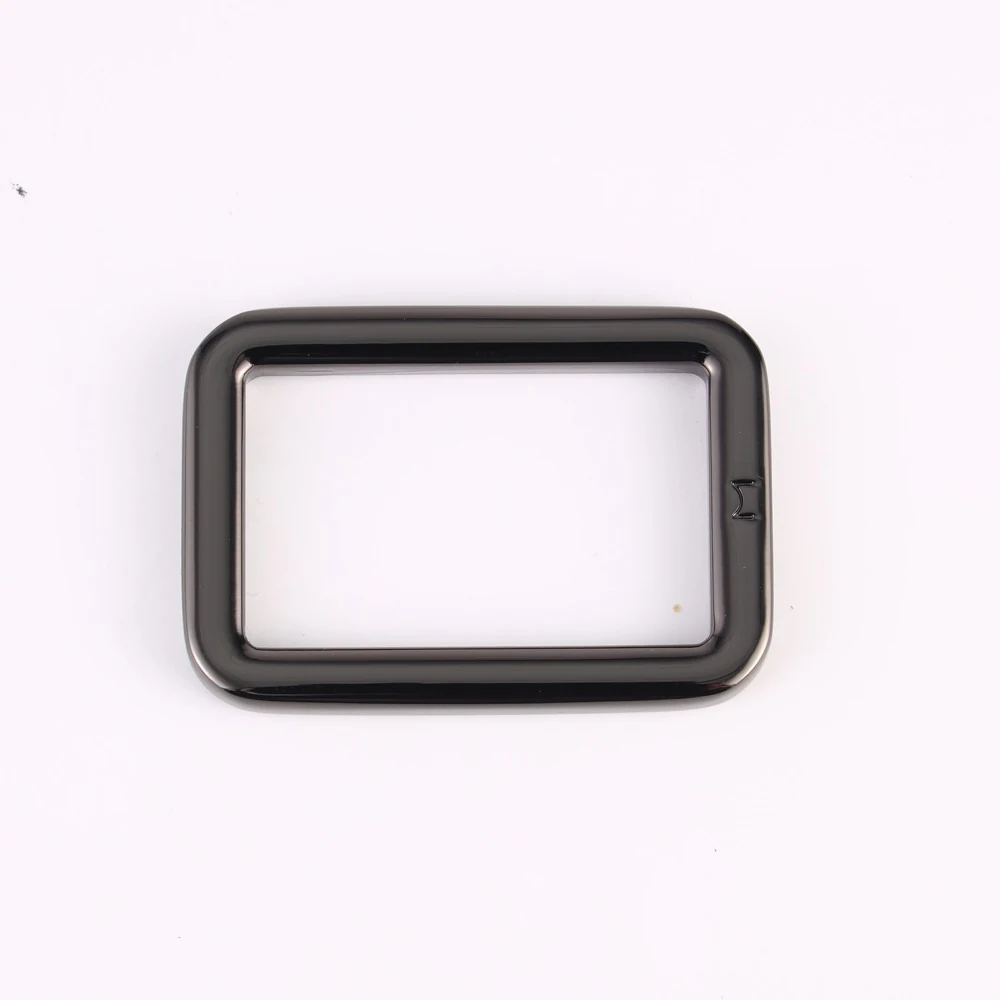
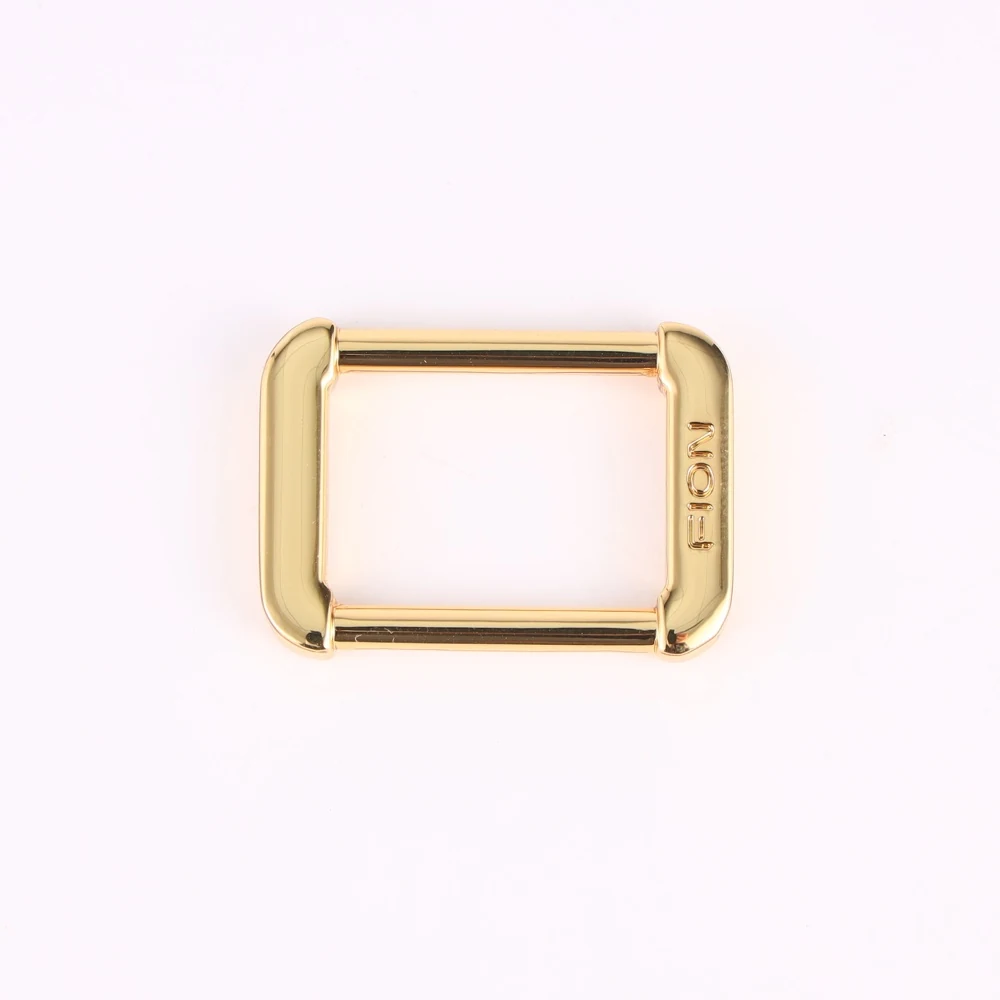
Photographs are design references. Confirm dimensions, material, finish and availability against the current drawing and sample.
Product structure
Start with the finished bag, not only the hardware shape.
Show the component in context so the design review can cover fit, function, visible proportion and the way the hardware connects to leather, lining, webbing or another metal part.
Shoulder straps
Show the strap width, leather or webbing thickness, ring opening and movement required at the attachment point.
Handle systems
Share the handle construction, post or bridge position, expected movement and how the ring connects to the bag body.
Structured bags
Confirm the section size, corner radius, visible proportion and reinforcement around the fitting.
Decorative strap interfaces
If the ring is part of the visual identity, include the finish reference and matching hardware that must be approved together.
Specification review
Measure the space the strap needs, not just the outside size.
Use the current drawing revision and identify the dimensions that control fit. Set tolerances with the manufacturing route and surface finish in view.
| Decision | What to specify | What to check on the sample |
|---|---|---|
| Internal opening | Clear inner width and height for the leather or webbing. | Check with the intended strap, including folded or stitched layers. |
| Section and corners | Section size, profile, inner corner radius and contact edges. | Inspect movement and contact with the strap under the intended use. |
| Construction | Closed or opening design, joints and connection to mating hardware. | Review the chosen material and manufacturing route together. |
| Load direction | How the bag, strap and adjoining hook apply force to the fitting. | Agree a fixture, load condition and acceptance criteria for the assembly. |
Material and finish
Approve the material, surface and assembled part together.
Zinc-alloy die casting is Zhenglin's primary route for custom hardware. Material selection also depends on the shape, mounting and expected use. Read the zinc alloy and stainless steel comparison before fixing the specification.
Share a physical colour reference and identify the matching hardware. Confirm the coating process on the intended material with the finish approval guide.
Sample acceptance
- Strap movementCheck that the strap moves as intended without binding at the corners.
- Surface contactReview burrs, rough edges and potential wear points on leather or webbing.
- Assembly loadingValidate the complete attachment under agreed conditions; a material name alone is not a load rating.
What to send
Give the first review enough context.
- Drawing or referenceCurrent drawing, reference image or sample, with revision where available.
- Critical dimensionsInterface size, material thickness, clearance, hole or post position and any fit dimension.
- FunctionWhat the part must lock, attach, adjust, rotate, support or decorate.
- Finish directionColour, physical sample, visible surfaces and matching hardware.
- QuantityExpected sample quantity, first order and repeat program where known.
Sampling and tooling
Move from design intent to repeatable production.
- Design reviewReview dimensions, structure, function, assembly and finish intent.
- SamplingSelect a sample route that answers the first question: proportion, visible form, interface or function.
- Tooling and trialAfter geometry approval, translate the design toward repeatable tooling and trial production.
- Finish approvalConfirm colour, surface appearance and visible edges on the intended part.
- Production and assemblyReview the confirmed component and required assembly method for the program.
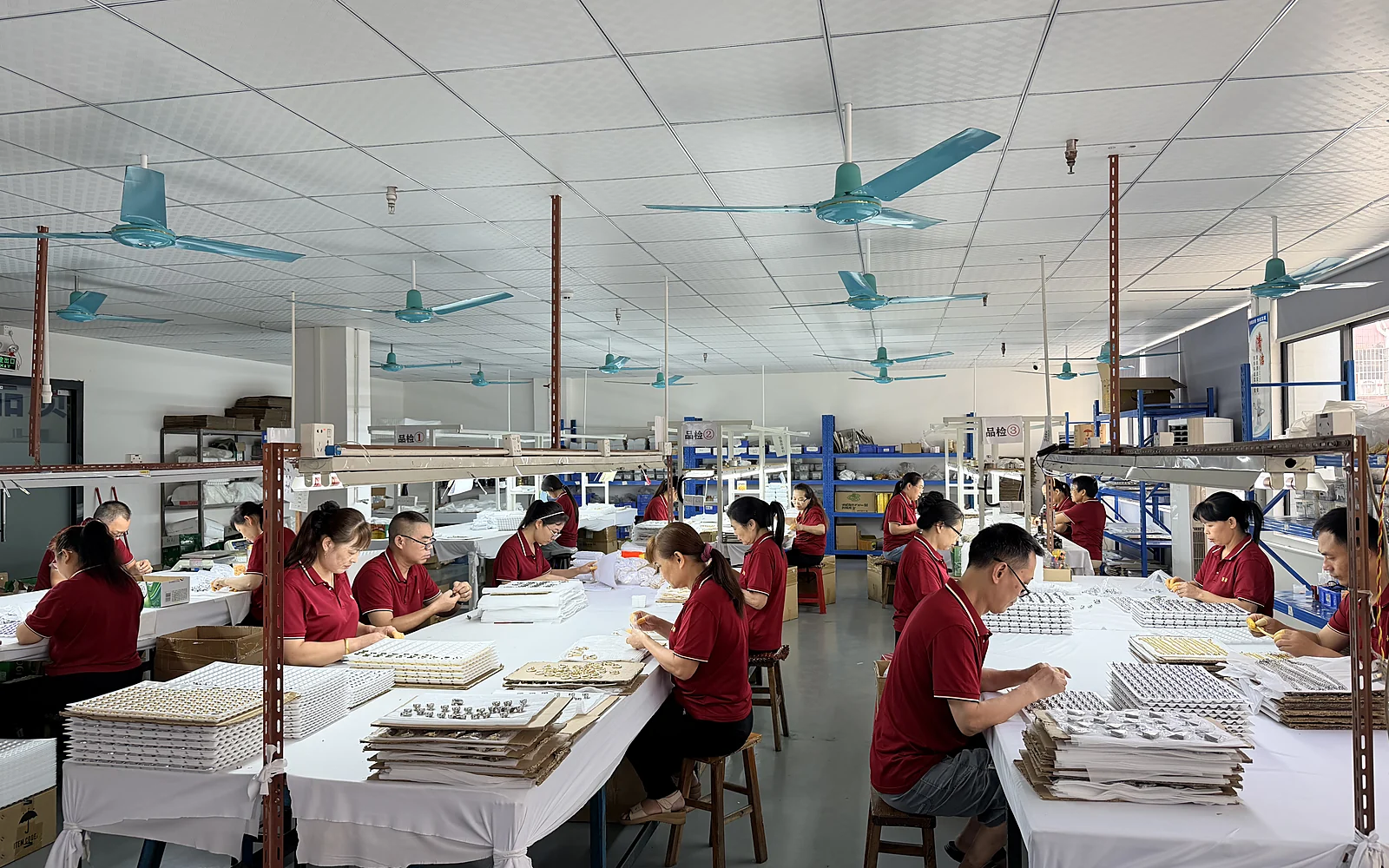
Tooling, finish and production conditions are confirmed for each project.
Purchasing questions
Before requesting a quotation
Is a ring's outside width enough for a quotation?
Include the inside opening and section size as well. Two rings with the same outside width may accept different strap widths or thicknesses.
Is stainless steel always the right choice for a strap ring?
Material is one part of the decision. Section, joint construction, strap contact and loading also matter. Send the use conditions so the material and process can be assessed together.
What is the minimum order quantity?
MOQ starts from 500 pieces. Confirm the quantity for each design and finish in your inquiry; sample quantities and the production order are discussed separately.
How are tooling costs and lead times confirmed?
Send the drawing or reference, finish and quantity. The quotation should separate tooling, samples and production, with timing linked to the approved design, sample route and finish requirements.
Request a d-rings & rectangular rings quotation
Send your drawing or reference, bag construction, finish and estimated quantity. MOQ starts from 500 pieces; confirm the requirement for each design and finish.
Send a custom RFQ →