Quality conversations
Quality checks for custom handbag hardware
A quality plan is more useful when the test question, sample condition and acceptance target are agreed before production.
Project-specific checks
Different parts need different questions.
Agree the drawing revision, sample condition, test method and acceptance criteria before inspection. Select checks around the component's actual function and use.
| Check area | What can be discussed | Evidence to align |
|---|---|---|
| Drawing and dimensions | Critical dimensions, fit, structure and functional interfaces. | Reviewed drawing, sample measurements and the agreed revision. |
| Pull force | Expected load based on the part's size, structure and use. Dog clips may need a pull-force discussion. | Direction of force, load target, sample condition and result record. |
| Vibration / movement | Whether a lock or hook remains engaged when a packed product is moved under an agreed project condition. | Discuss a 1 kg or 2 kg packed condition, movement method, duration and pass criteria. |
| Opening and closing | Operation, alignment and user feel for locks, hooks or other moving pieces. | Sample cycle method and any visual or functional acceptance target. |
| Spring fatigue | Whether a spring ring or related moving component is suitable for its expected repeated use. | Cycle target, test setup, failure definition and record. |
| Salt spray | Common project discussion points are 24 hours, or 48 hours for a stricter requirement. | Specify the method, finish, sample condition and acceptance target before testing. |
| Surface and finish | Colour, plating appearance and project-specific surface testing requirements. | Approved reference sample, test method and required duration. |
| Packaging protection | Protective film can be discussed for shipment where the finish is vulnerable to scratching. | Packaging instruction, contact points and inspection condition. |
Quality starts in the brief
Do not wait until inspection to define success.
For a closure, the key concern may be engagement and opening force. For a ring, it may be fit and edge finish. For a dog clip, it may be pull direction and load. The same checklist cannot answer every product question.
- Agree the useWhere the part sits and what the finished product does.
- Agree the conditionWhat load, movement, temperature or surface exposure the sample should experience.
- Agree the resultWhat counts as acceptable, and what evidence is recorded.
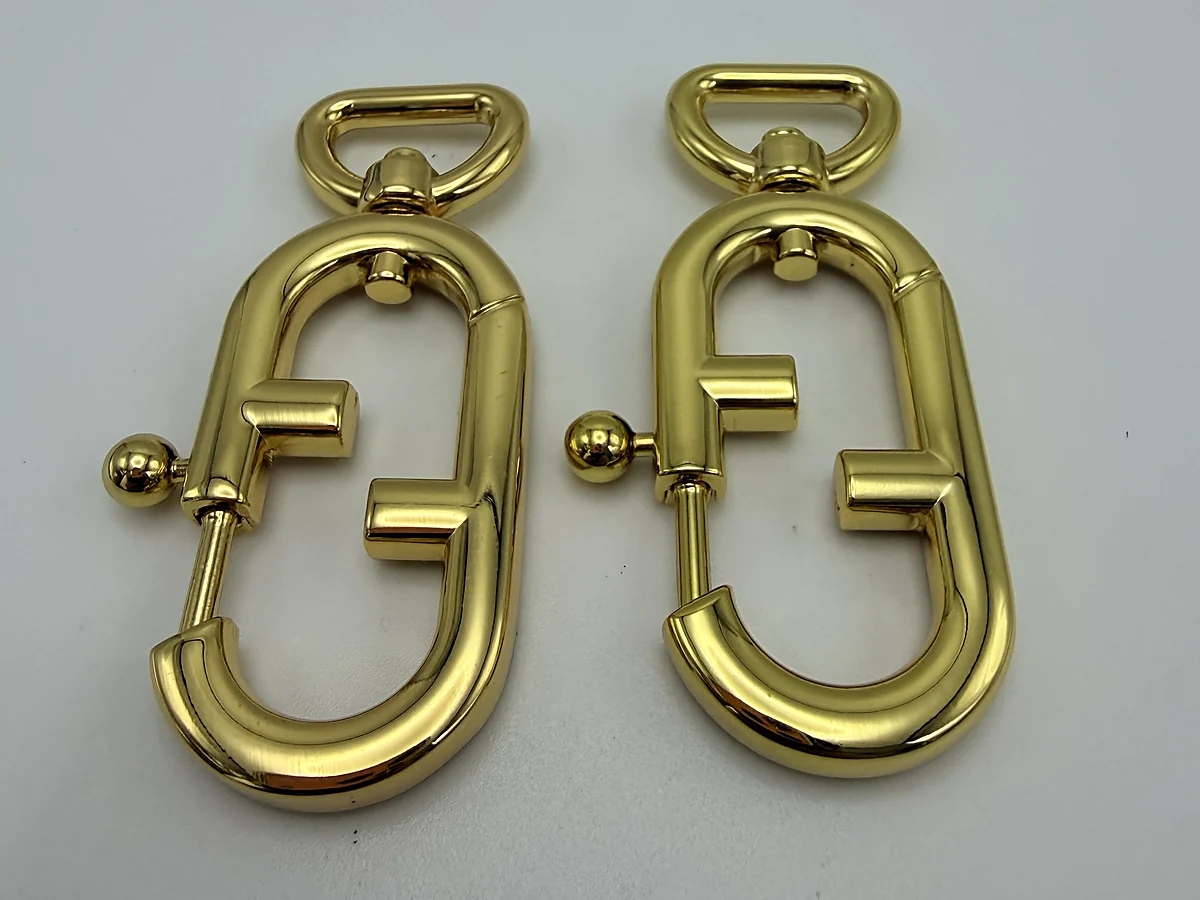
Moving components should be reviewed for operation and repeated-use expectations.
Evidence and documentation
Keep the approval trail readable.
When a project requires supporting documentation, ask for the current file and confirm what product, material, finish and test condition it covers. An electronic SGS report may be available where applicable; the exact report should be confirmed for the project.
Ask a project question →- RevisionIdentify the drawing or sample revision under review.
- ConditionRecord the setup, load and method used for any check.
- ResultKeep the measurement or observation connected to the requirement.
- DocumentationAsk whether an electronic SGS report is available for the relevant project scope.
- ApprovalConfirm who approved the sample and finish before production.
Acceptance before production
Define what passes before the sample is checked.
Connect each requirement to an inspection method, the sample revision and a recorded result. Confirm how deviations and changes will be approved before the production order.
Inspection brief
Write a requirement that can be checked.
These are example inspection records to define with your supplier. They are not completed test reports.
| Component | Requirement to agree | Record to retain |
|---|---|---|
| Handbag lock | Engagement and release on the specified panel and mating part; agreed repeated-operation conditions. | Drawing revision, mounting setup, cycle count, observations and approval decision. |
| Logo plate | Artwork legibility, orientation, fixing positions and visible surface against the approved reference. | Artwork revision, dimensional observations, sample images and finish reference identifier. |
| Strap ring or handle fitting | Clear opening, strap contact, mounting and an agreed load direction and condition. | Assembly description, fixture, applied condition, deformation or damage observations and decision. |
| Coated component | Surface appearance and any agreed corrosion test for the specified coating. | Substrate, coating, method, duration, sample condition and agreed acceptance criteria. |
Review the part-specific details for locks, logo plates and strap fittings. A material change should also trigger a review of the finish specification.