Custom development
Custom handbag hardware from drawing to production
Develop locks, logo plates, rings and fittings around your bag's construction. Zhenglin reviews the design, sample route, tooling, finish and assembly requirements before the production specification is fixed.
From concept to approval
Five stages, with a clear decision at each step.
A drawing, sample or reference image can start the conversation. Include the intended bag, component function and quantity so we can review the manufacturing route with the finished product in view.
Explore locks and closures, logo plates and strap fittings for the dimensions and interfaces relevant to your part.
- Design reviewAgree the drawing revision, critical dimensions, mounting and function. Identify open questions about material, finish or assembly before sampling.
- SamplingChoose what the first sample needs to prove: proportion, fit, operation or finish. Record which questions remain for a later metal or production sample.
- Tooling and trialConfirm the geometry and tooling scope. Review trial parts for dimensions, assembly and any changes needed before production approval.
- Finish approvalReview colour, texture and visible faces on the intended part. Identify the approved reference and matching hardware.
- Production and assemblyUse the agreed drawing, sample, finish and inspection requirements. Confirm packing protection and the checks needed before shipment.
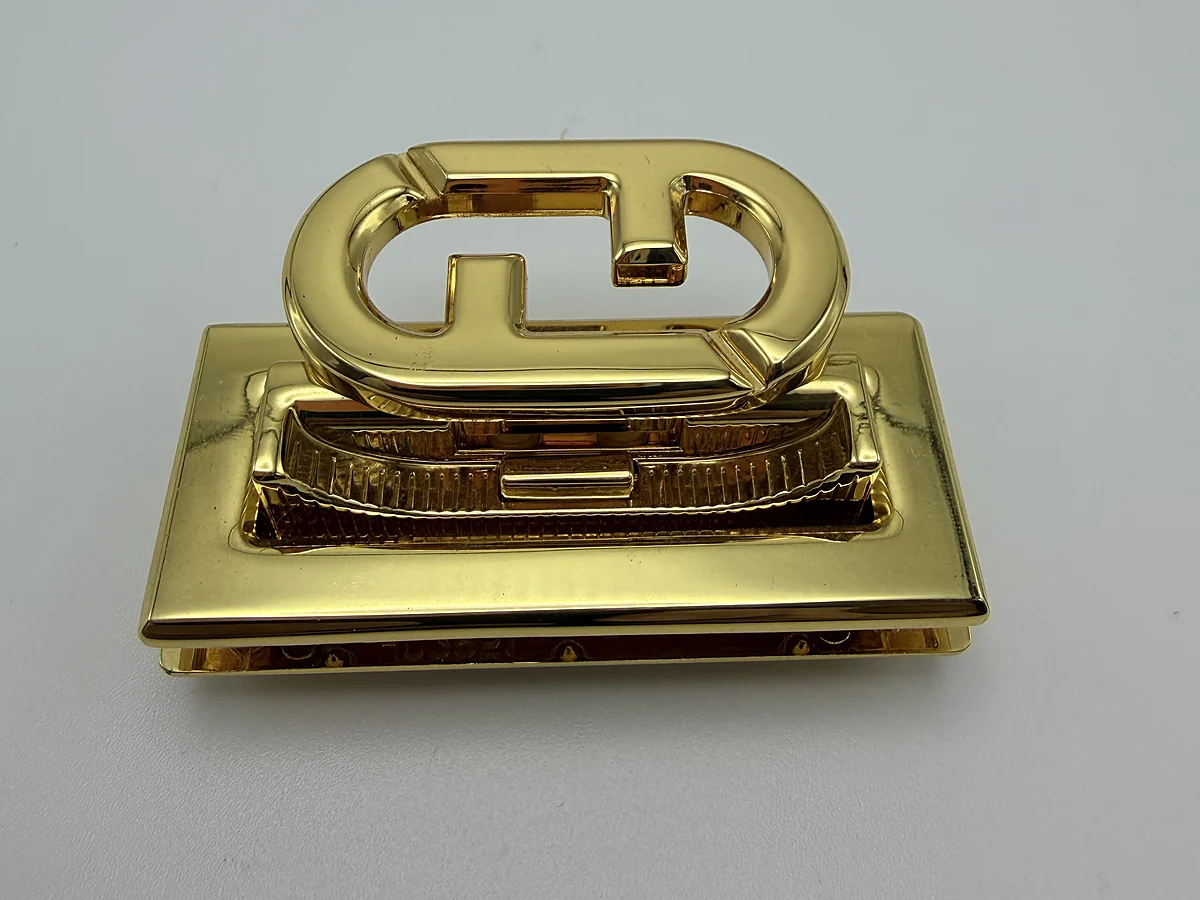
Review a lock with its mating part, mounting and bag-panel construction.
Sample routes
Choose a sample that answers the next design question.
- 3D printed modelReview form, scale and placement. A visual model does not establish metal strength or plating performance.
- CNC sampleReview suitable machined geometry, dimensions or detail. Confirm what differs from the intended production process.
- Zinc-alloy sampleReview the metal component's fit and operation. Agree the route, material and checks required for the sample.
- Finish sampleReview the surface on the intended substrate and part. Keep the approved reference with the drawing revision.
Quotation scope
Separate tooling, samples and the production order.
MOQ starts from 500 pieces. Confirm the quantity for each design and finish; sample quantities are discussed separately from a production order.
| Item | What to provide | What to confirm |
|---|---|---|
| Part and variants | Drawing, reference or sample; size and finish variants. | Which variants need separate tooling, samples or production batches. |
| Tooling | Geometry, mounting details and expected order programme. | Tooling charge, scope, revision process, ownership and storage terms in the quotation. |
| Samples | What the sample must demonstrate and how many are needed. | Sample route, charges, finishing, checks and shipping arrangements. |
| Production quantity | Quantity by design and finish, plus repeat orders if known. | Applicable MOQ, unit price, assembly and packing scope. |
| Timing | Target sample date, launch date and delivery destination. | Schedule after drawing review, including tooling, revisions, finish approval and production. |
| Quality and delivery | Inspection requirements, finish reference and packing needs. | Test conditions, acceptance criteria, shipping terms and delivery scope. |
Before production
Keep four approval references together.
The approved drawing defines geometry; the sample confirms the agreed physical result. Keep the finish reference and inspection requirements alongside them so a revision to one can be reviewed against the others.
Use the material comparison while selecting the production route, then define the sample acceptance checks.
- Drawing revisionOverall dimensions, interfaces, critical tolerances and mounting.
- Physical sampleFit, movement, assembly and any approved deviations from the drawing.
- Finish referenceBase material, colour, texture, visible faces and matching parts.
- Inspection and packingMethod, sample condition, acceptance criteria and protection of visible surfaces.
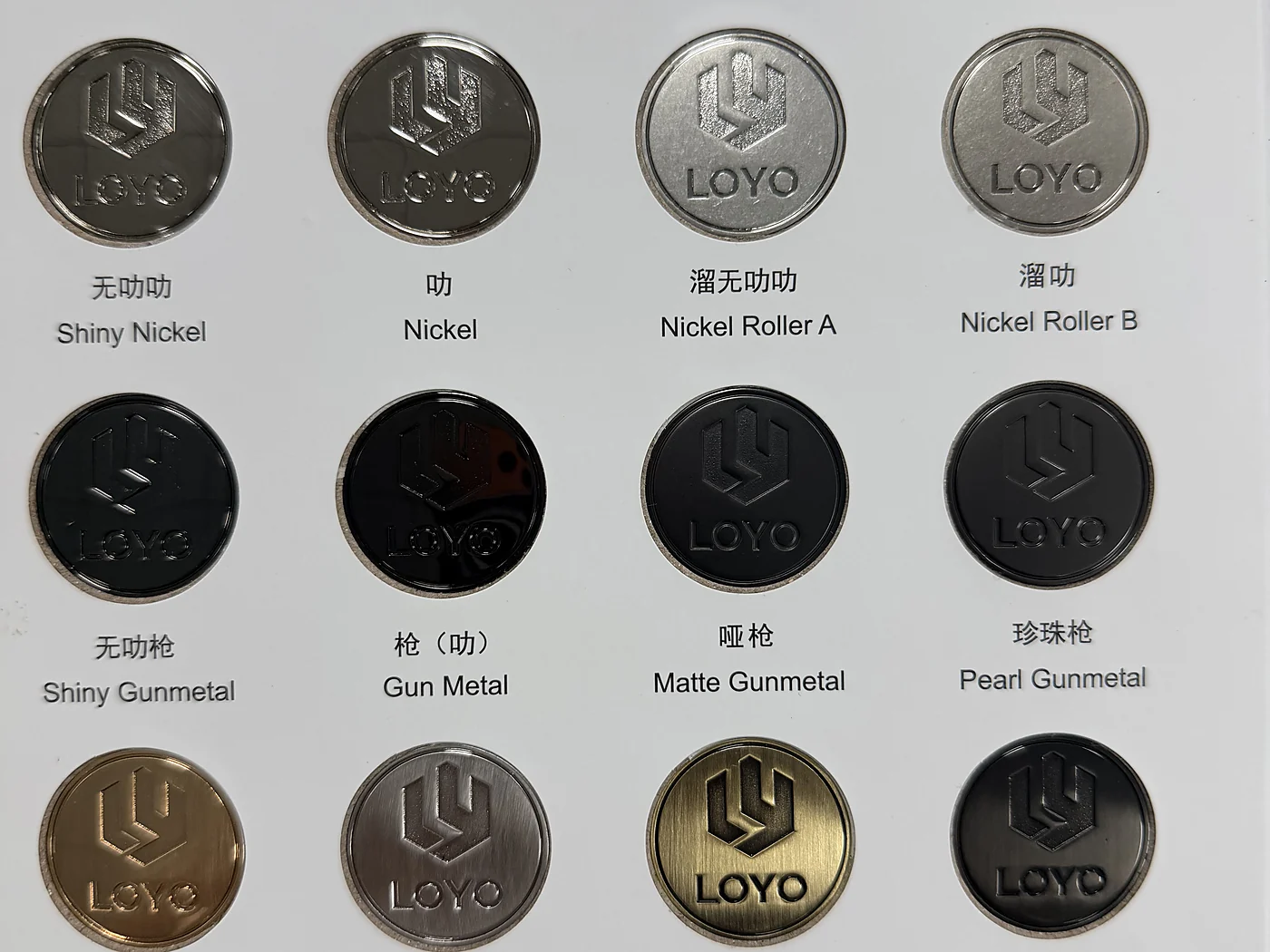
A colour reference starts the finish discussion. Approve the coating and colour on the actual part.
Finish coordination
Match the hardware set, including the small details.
Share the lock, logo plate, rings and attachments that must look consistent. Shape and texture affect how the colour appears, so review the set under agreed lighting.
Plating is coordinated with a dedicated production line at a partner facility at a separate address. Confirm the process and acceptance requirements for the chosen component.
Read the finish approval guide →Common development questions
Before sending your brief
Can I start without a finished technical drawing?
Yes. Send a sketch, reference images or sample details with the intended size, function, finish and quantity. The review should identify which dimensions and interfaces must be resolved before tooling.
Does the 500-piece MOQ include my sample order?
The 500-piece starting point refers to production. Discuss the sample route and quantity separately, and confirm the production minimum for each design and finish in the quotation.
How much will the mould cost?
Tooling cost depends on the geometry, size, number of parts and tooling scope. Share the drawing or reference so tooling, sample and production charges can be quoted separately.
How long does custom development take?
The schedule depends on design readiness, sample route, tooling work, finish approval and revisions. Provide your target date at the start and request a schedule for the agreed scope.
What happens if the design changes after sampling?
Identify the changed dimensions or appearance requirements and issue an updated revision. Confirm the impact on samples, tooling, cost and timing before continuing.
Send the part and the product it belongs to.
Include a drawing or reference, mounting details, material direction, finish, quantity and target date.
Request a custom quotation →