For a handbag lock, logo plate or strap fitting, material choice affects shape, surface, assembly and cost. Zhenglin's primary manufacturing route is zinc-alloy hardware. Stainless steel and other metals can be discussed for suitable designs after reviewing the drawing and use conditions.
Compare the part, process and use conditions
| Decision | Zinc alloy | Stainless steel |
|---|---|---|
| Shape and manufacture | Die casting can form detailed three-dimensional surfaces and mounting features. Review draft, parting lines and section changes. | Sheet, wire, machined or cast construction creates different design constraints. Specify the intended manufacturing route. |
| Grade | Specify the alloy required for the component. The term zinc alloy alone does not define mechanical properties. | Specify the grade and condition. 304 and 316, for example, are distinct grades, not interchangeable labels for every exposure. |
| Appearance | Polishing and plating can provide decorative surfaces. Fine relief and recessed areas need review with the finishing process. | The selected surface may be polished, brushed or coated. Confirm its appearance beside the other parts in the hardware set. |
| Exposure | Evaluate the complete alloy and coating system for the expected contact, moisture and wear. | Corrosion behaviour depends on grade, surface, design and environment; stainless steel is not corrosion-proof. |
| Strength and function | Section, geometry, attachment and casting quality affect performance. Validate the assembled part under agreed loads. | Grade, section, forming and any joints affect performance. Validate the assembled part under the same intended-use conditions. |
| Finished weight | Estimate from the specified alloy and actual part volume; confirm with a sample. | Use the actual section and construction. A formed design may use a different volume from a cast design. |
| Cost and quantity | Compare tooling, unit price, finish, assembly and quantity together. | Compare material, forming or machining, joints, finishing and tooling for the proposed route. |
When to start with zinc alloy
A sculpted lock face, raised decorative border or integrated fixing feature is a useful starting point for a die-casting review. Discuss the visible surfaces and mounting features before fixing the tool design.
The International Zinc Association's design guidance recommends considering section consistency and the geometry of the casting. These principles help frame a drawing review; the part still needs its own agreed dimensions and sample checks.
Explore custom handbag locks and metal logo plates for the mounting and artwork details to include in your brief.
When to evaluate stainless steel
Consider a stainless route when a buyer specification calls for a particular grade, the intended construction suits formed sheet or wire, or exposure conditions need a specific corrosion-resistance assessment. The supplier needs the grade, surface requirement and environment together.
Outokumpu's corrosion guidance explains why grade selection, surface condition, detailing and maintenance matter. A label such as 304 or 316 is not a guarantee against every form of corrosion.
For a strap ring, include the opening, section, joint construction, strap material and force direction. For a handle attachment, include the fixing and panel reinforcement as well.
Two design examples
These examples illustrate decisions to review; they are not customer case studies or tested performance claims.
A sculpted handbag closure
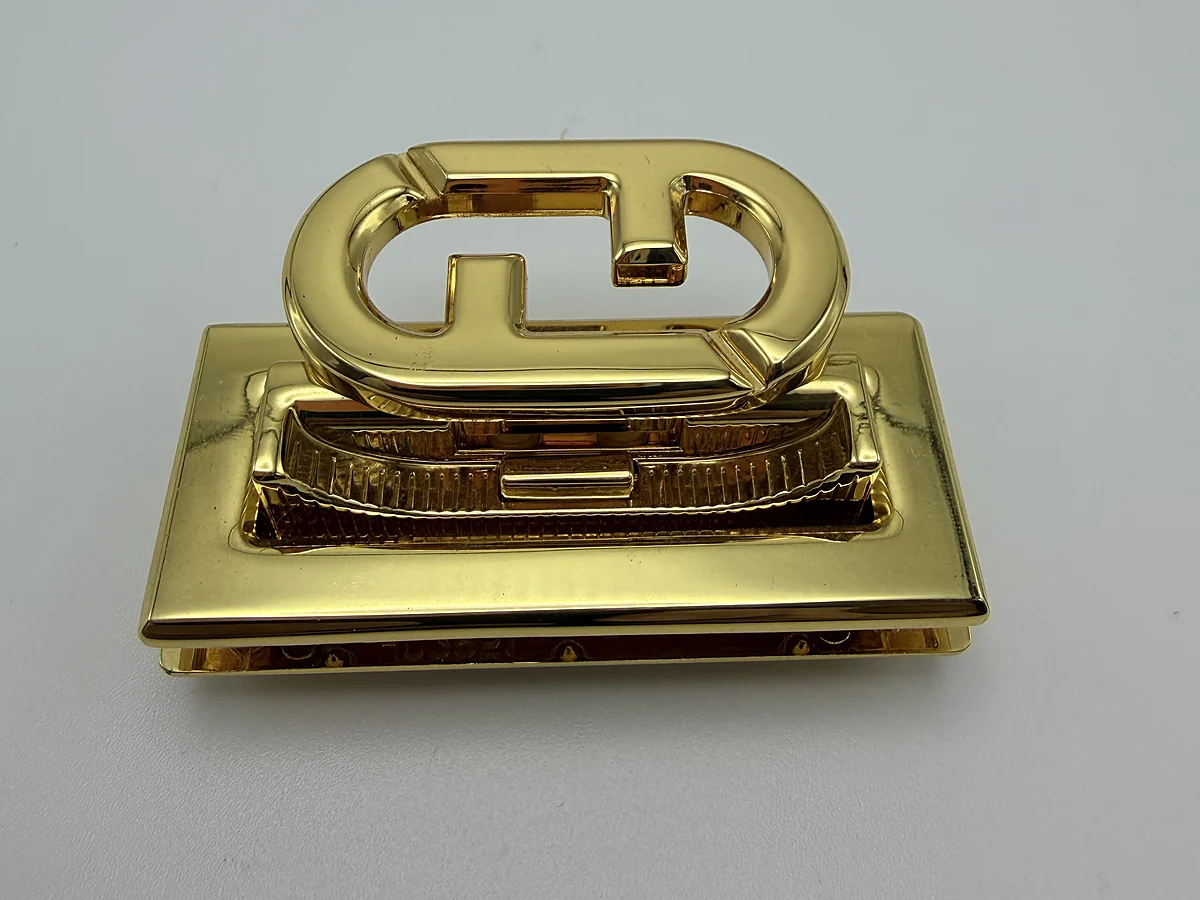
Start by reviewing a zinc-alloy die-cast route for the decorative form. Then confirm the mating piece, panel thickness, latch clearance and colour reference. Evaluate the operating assembly: approval of the face alone does not confirm engagement or retention.
A strap connection carrying repeated movement
Start with strap width, inner opening, section, joint and load direction. Compare suitable material and process combinations against those constraints. Request checks on the ring, adjoining hook and strap assembly under the same agreed conditions so the comparison answers the actual use case.
Does the finish change the decision?
Yes. The substrate, geometry and surface process form one specification. A photograph or colour name cannot define coating performance. The International Zinc Association's polishing and plating guidance highlights the importance of coordinating casting and finishing early in the design.
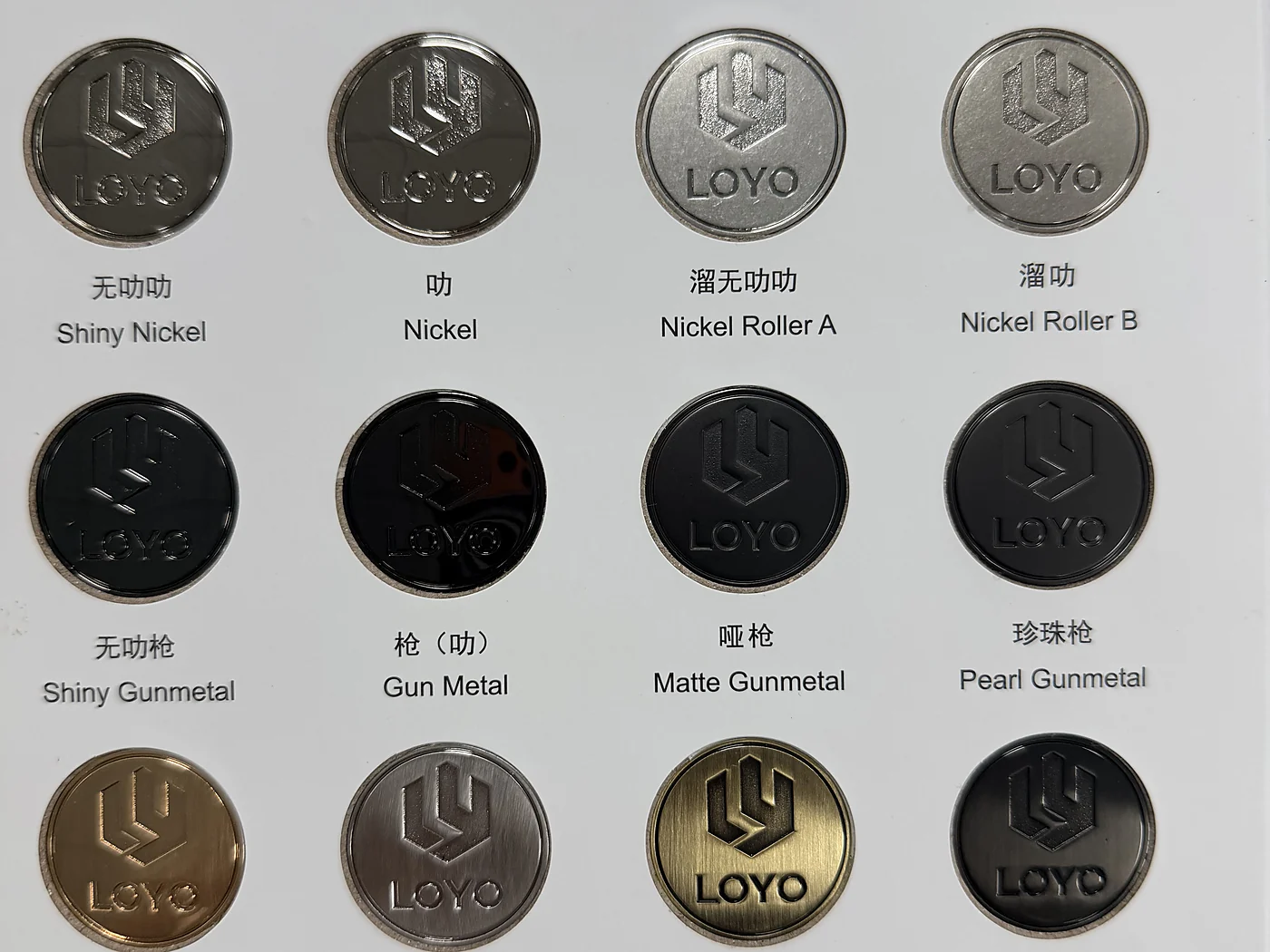
Use the finish approval guide to specify the reference sample, visible faces, texture and matching components. Ask for the coating route to be confirmed before treating a colour reference as a production specification.
Common material questions
Is stainless steel always stronger than zinc alloy?
A material family name does not establish a finished part's load capacity. Compare the actual grades, geometry, section, manufacturing route and mounting, then agree a test for the assembled component.
Is zinc-alloy hardware always cheaper?
Total cost depends on geometry, tooling, finish, assembly and quantity. Request quotations for the same functional requirements and order quantity; comparing raw material prices alone misses these costs.
Does a gold colour tell me which metal is underneath?
No. Colour is a surface characteristic. Specify the base material and coating separately, and confirm them in the drawing, sample approval and quotation.
Can a salt-spray result predict years of use?
Do not convert test hours directly into a service-life promise. Record the method, coating, sample condition and acceptance criteria, and review whether the test addresses the intended exposure.
What to send for a material review
- Drawing or reference with critical dimensions and mounting details.
- Function, load direction, repeated movement and the surrounding bag construction.
- Expected moisture, skin contact, cleaning or other exposure.
- Required material grade, or permission to assess a suitable alternative.
- Colour reference, surface texture, matching components and proposed tests.
- Quantity by design and finish, sample needs and target delivery date.
Use the RFQ checklist to prepare the brief and the quality page to define sample acceptance. The material references above provide general engineering context; they do not certify a Zhenglin product.